water softener mineral tank
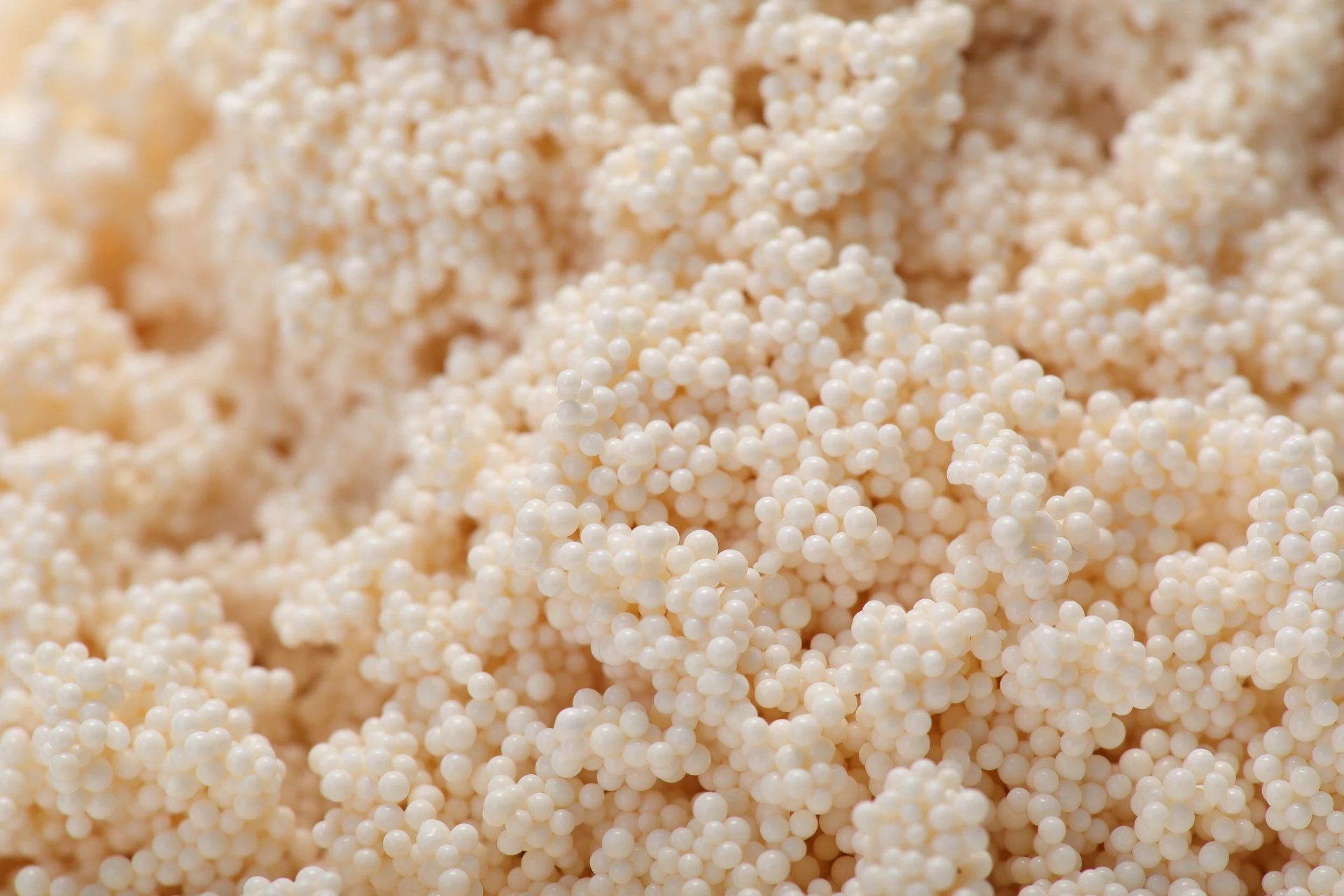
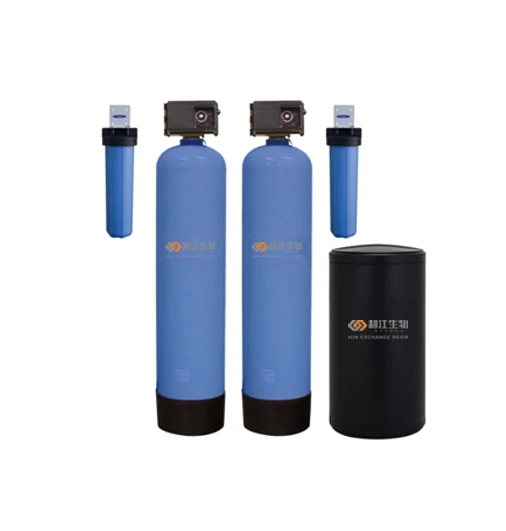
Understanding Cation Water Softeners: A Global Perspective Water quality worldwide varies dramatically. Hard water — loaded with calcium and magnesium ions — isn't just an annoyance that dulls your coffee mug. It impacts billions daily, raising costs in industry, agriculture, and at home. Enter the cation water softener , a technology that's quietly transforming how we tackle water hardness around the globe. By exchanging those pesky cations for sodium or potassium, these systems soften water, prevent scale build-up, and protect infrastructure. Understanding how these devices work and their broad applications helps us appreciate water management’s evolving role in sustainability and health. Mini takeaway: Cation water softeners address a universal problem with water hardness, delivering benefits across industries and regions. Global Relevance of Cation Water Softeners Globally, over 85% of fresh water sources contain varying degrees of hardness, impacting agricultural productivity and industrial operations (UN-Water Report, 2022). In countries where water treatment infrastructure lags, hard water causes frequent pipe corrosion, inefficient machinery, and increased energy use. Industrial sectors — power plants, food processors, and textile manufacturers — report losses into the billions annually due to scale and mineral deposits. Even in domestic settings, consumers face higher soap use and appliance wear. Tackling hardness isn't just a local concern but a part of meeting sustainable development goals emphasizing clean water and resilient infrastructure. Yet, the challenge is more than just filtering water — it’s about balancing cost, efficiency, and environmental footprints. Cation water softener technologies tackle these problems in a surprisingly elegant way: ion exchange. Mini takeaway: Water hardness is a global economic and environmental issue, with cation water softening offering key mitigation. What Exactly Is a Cation Water Softener? Put simply, a cation water softener is a device that removes hardness-causing positive ions (cations) like calcium (Ca²⁺) and magnesium (Mg²⁺) from water, replacing them with sodium (Na⁺) or potassium (K⁺) ions. This process is called ion exchange — think of it as a swap meet for minerals inside a resin-filled tank. The resin beads inside the softener attract and hold onto calcium and magnesium ions; once saturated, the resin gets "recharged" with a salt (brine) solution, restoring its softening power. Beyond household use, this technology supports industries requiring pure or soft water — power generation, pharmaceuticals, even humanitarian clean-water projects. When clean water needs to be sourced or treated efficiently — especially in resource-strapped zones — cation water softeners play a quiet, critical role. Mini takeaway: These systems work by ion exchange, trading hard calcium and magnesium ions for softer sodium or potassium ions. Main Features to Consider in Cation Water Softeners 1. Durability and Resin Capacity The heart of any softener lies in its resin beads. Their quality determines how long they last between regeneration cycles. Roughly, a high-grade resin can handle thousands of gallons and remain effective for up to 10 years under normal use. Durability reduces waste and lowers operating costs. 2. Regeneration Efficiency and Salt Usage Different models regenerate their resins using varying quantities of salt or potassium-based brine. Efficient regeneration means less environmental impact and lower ongoing costs. Advances in resin chemistry have reduced salt requirements by up to 30% compared to older systems. 3. Capacity and Flow Rate Households and industries vary widely in water demand. Softener tanks are rated by grains of hardness removed per cycle and maximum flow rates. Choosing the right size ensures proper softening without pressure drops. 4. Automation and Monitoring Modern units increasingly integrate digital control panels, auto-regeneration timers, and even IoT-enabled monitors. This lets operators optimize softening cycles, detect faults early, and save on maintenance — very handy in remote or large-scale settings. 5. Environmental Sustainability Low-salt, potassium-based regeneration and energy-efficient control systems are key emerging trends. Some models also cut down on wastewater discharge volumes. Typical Product Specifications for a Residential Cation Water Softener Parameter Typical Value Notes Resin Type Sulfonated polystyrene Standard for ion exchange Softening Capacity 30,000 grains Adequate for medium households Salt Usage per Regeneration 6–10 lbs Varies by hardness & model Flow Rate 8–12 GPM (gallons per minute) Suitable for typical home usage Regeneration Type Timed / Metered Timed is simpler; metered saves salt Mini takeaway: Resin quality, regeneration, and system automation heavily influence operational costs and sustainability. Where Are Cation Water Softeners Making a Difference? Cation water softening is no longer a niche pick for households with hard water. Industries from power generation in the US Midwest to textile mills in Asia depend on scaled-down versions and industrial rigs alike. In post-disaster relief operations, mobile softening units make clean water safer and equipment more reliable. Remote mining sites benefit from onsite softening to reduce costly equipment failure. Even city water utilities in Europe increasingly pair softening with filtration to meet rising environmental and health standards. The Middle East’s arid climate pushes many facilities to invest in advanced softening sections as part of desalination post-treatment. Mini takeaway: Global water scarcity and industrial pressures have expanded cation water softener applications in both emergency and routine water management. Advantages and Long-Term Value of Cation Water Softeners Cost Savings: Reduced maintenance, extended appliance life, and lower energy use translate directly to savings. Sustainability: Less chemical buildup in wastewater and improved efficiency align with eco-goals. Health and Comfort: Softer water improves skin and hair feel, and decreases soap usage. Reliability: Automated controls lower downtime risk in industrial contexts, securing operations. Community Impact: In humanitarian contexts, improved water treatment enhances dignity, sanitation, and quality of life. The emotional connection to reliable, clean water shouldn't be underestimated. People trust water softening technologies to deliver something often taken for granted — smooth, safe water. Innovation verifies that promise. Mini takeaway: These systems bring tangible economic, environmental, and social value over time. Looking Ahead: Future Trends in Cation Water Softening It's not just the resin beads evolving. Smart sensors are popping up in softeners globally, allowing real-time water quality monitoring and predictive maintenance. Green-friendly regenerative salts—like potassium chloride alternatives—are growing in popularity to reduce sodium discharge. Some companies are integrating solar-powered regeneration and waste heat usage, bolstering sustainability profiles. Digital transformation lets operators tweak softening in remote or industrial contexts with unprecedented precision. There's also exploration into hybrid systems combining softening with filtration technologies to target overall water quality better while minimizing waste. As water scarcity grows and regulations tighten worldwide, smart, clean, and efficient cation water softeners will only become more vital. Mini takeaway: The future blends digital smartness and sustainability in cation softening technology. Challenges and Innovations: Solving Common Issues One sticking point remains: salt discharge affects soil and freshwater when improperly managed. Some plants face regulatory hurdles because of this. Luckily, innovations like zero-discharge softening systems or improved brine recycling offer promising solutions. Meanwhile, hard water with complex compositions or fluctuating mineral levels can challenge fixed softening setups. Adaptive, sensor-driven controls that adjust regeneration cycles in real time are helping operators stay ahead. And scaling resin replacement costs still prompt manufacturers to improve resin durability further. Takeaway? Even as we fix the basics, the real magic lies in continuous improvement. FAQ: Answers to Your Top Questions on Cation Water Softeners Q1: How often do I need to regenerate a cation water softener? Typically, regeneration occurs every few days to weeks depending on water hardness levels and usage. Metered systems trigger regeneration based on actual water flow, which is more efficient. It's best to follow your device’s manual or consult a water treatment professional for precise timing. Q2: Are potassium-based regeneration salts better than sodium? Potassium chloride is often preferred where sodium intake or discharge needs limiting. It’s gentler on soil and plants but tends to be more costly. Sodium chloride remains popular due to cost-effectiveness. The choice depends on local environmental and health priorities. Q3: Can cation water softeners handle very hard water? Yes, but extremely high hardness may require larger or multiple softeners, or pre-treatment steps. Custom design can optimize for particularly tough conditions, like in mining or industrial zones. Q4: How do I know if a water softener is right for my home? Conduct a simple water hardness test or get professional water analysis. If you notice scale build-up on fixtures, dryer clothes, or spotty dishware, a softener can help. Besides comfort, it improves appliance longevity and lowers soap use. Mini takeaway: Ask your water quality questions early to tailor the right softening solution. Vendor Comparison: Choosing Your Cation Water Softener Provider Company Product Range Typical Capacity Automation Features Pricing (Mid-Range Units) SoftWaterTech Residential & Industrial 20k - 150k grains Auto regeneration, WiFi enabled $600 - $3500 ClearStream Solutions High-capacity industrial models 100k - 500k grains Advanced digital controls $2500 - $10,000+ EcoSoft Tech Environmentally friendly models 30k - 100k grains Low-salt regeneration $900 - $4000 Conclusion: Why Cation Water Softeners Matter Now and Tomorrow Cation water softeners are more than just handy household devices — they’re essential tools in our ongoing quest to manage water resources wisely and sustainably. By reducing mineral buildup and improving water quality, they save money, protect infrastructure, and support healthier living standards around the world. As technology moves forward, smarter, greener, and more adaptable designs will widen their impact further. Interested in upgrading your water treatment? Visit our website: cation water softener solutions and discover what modern systems can do for you. References: 1. UN-Water. (2022). Water Quality Challenges Globally. unwater.org 2. ISO 9001 Water Treatment Standards. iso.org 3. Wikipedia Contributors. “Water Softening.” Wikipedia, 2024. en.wikipedia.org
-
 Strong R & D Capability And Experienced Technical Team
-
Provide Customers With Competitive And Differentiated Products